
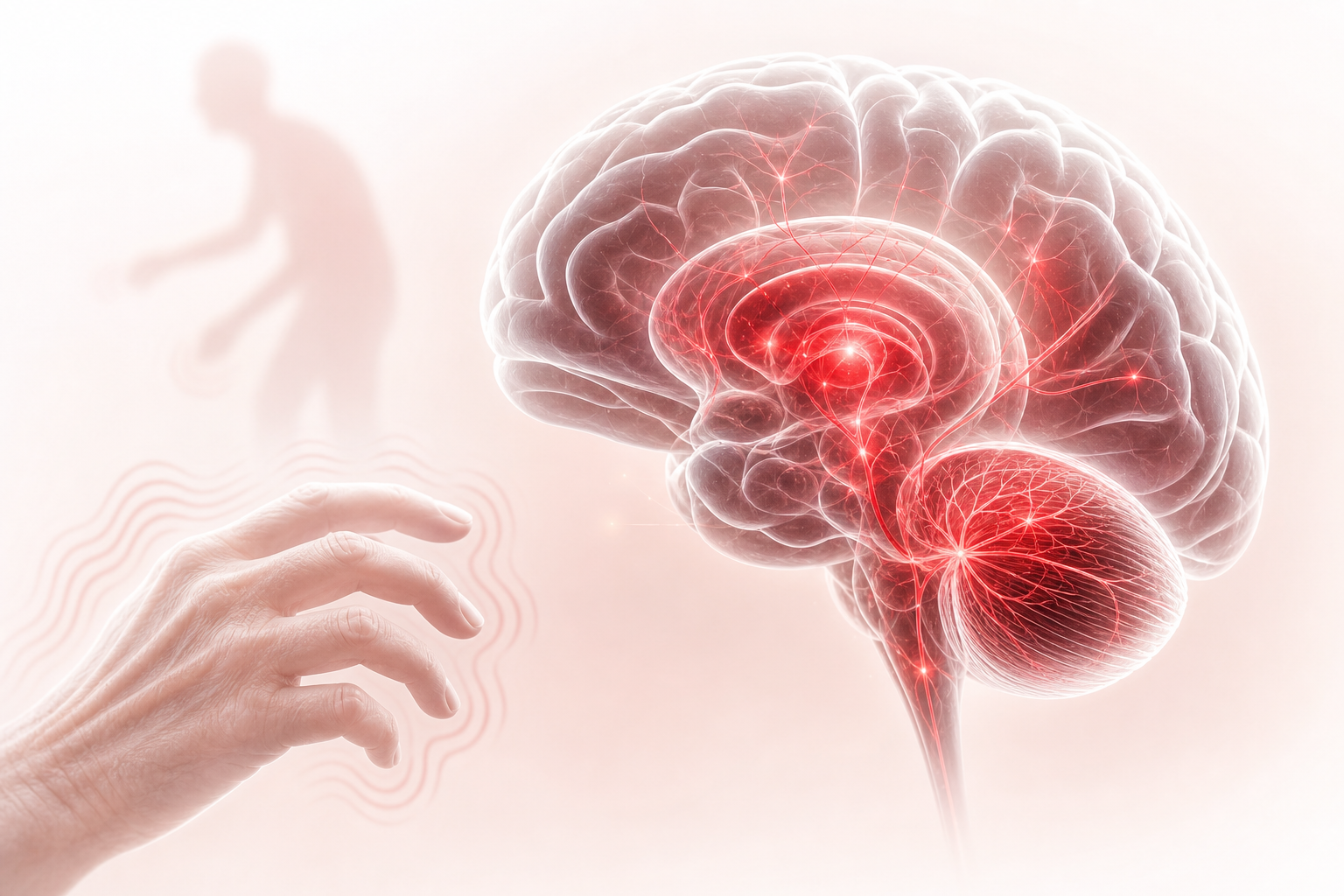
Parkinson's Disease
Expert diagnosis, treatment, and long-term management to help patients maintain independence and quality of life.
Parkinson's Disease Q & A
Understanding Parkinson's disease helps patients and families make informed decisions about care and treatment.
What is Parkinson's Disease?
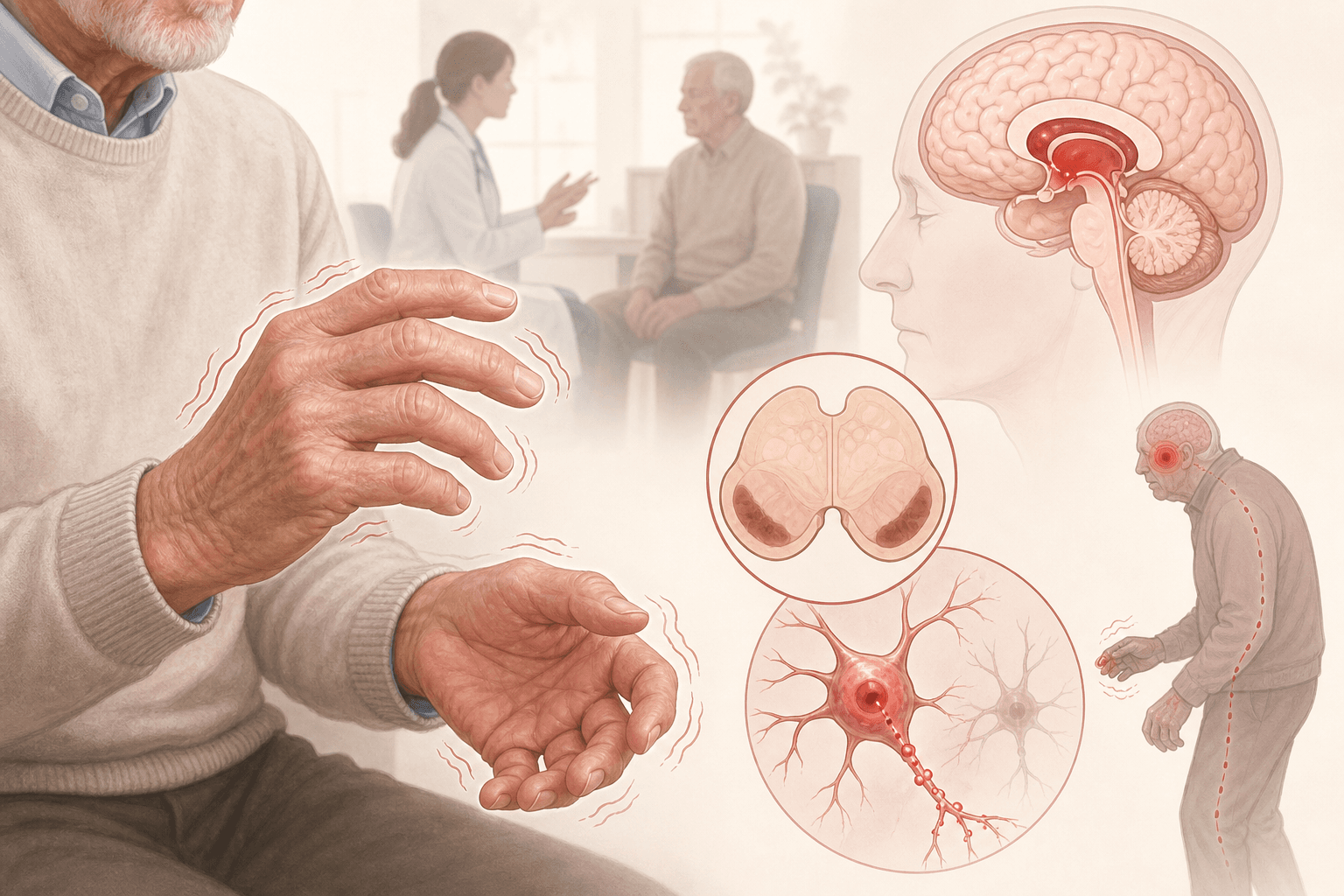
Parkinson's disease is a progressive neurological disorder. It's characterized by muscle rigidity, tremors, and difficulty with motor skills. As a progressive neurological disorder, Parkinson's disease worsens over time and is more common in older adults than younger ones.
What Causes Parkinson's Disease?
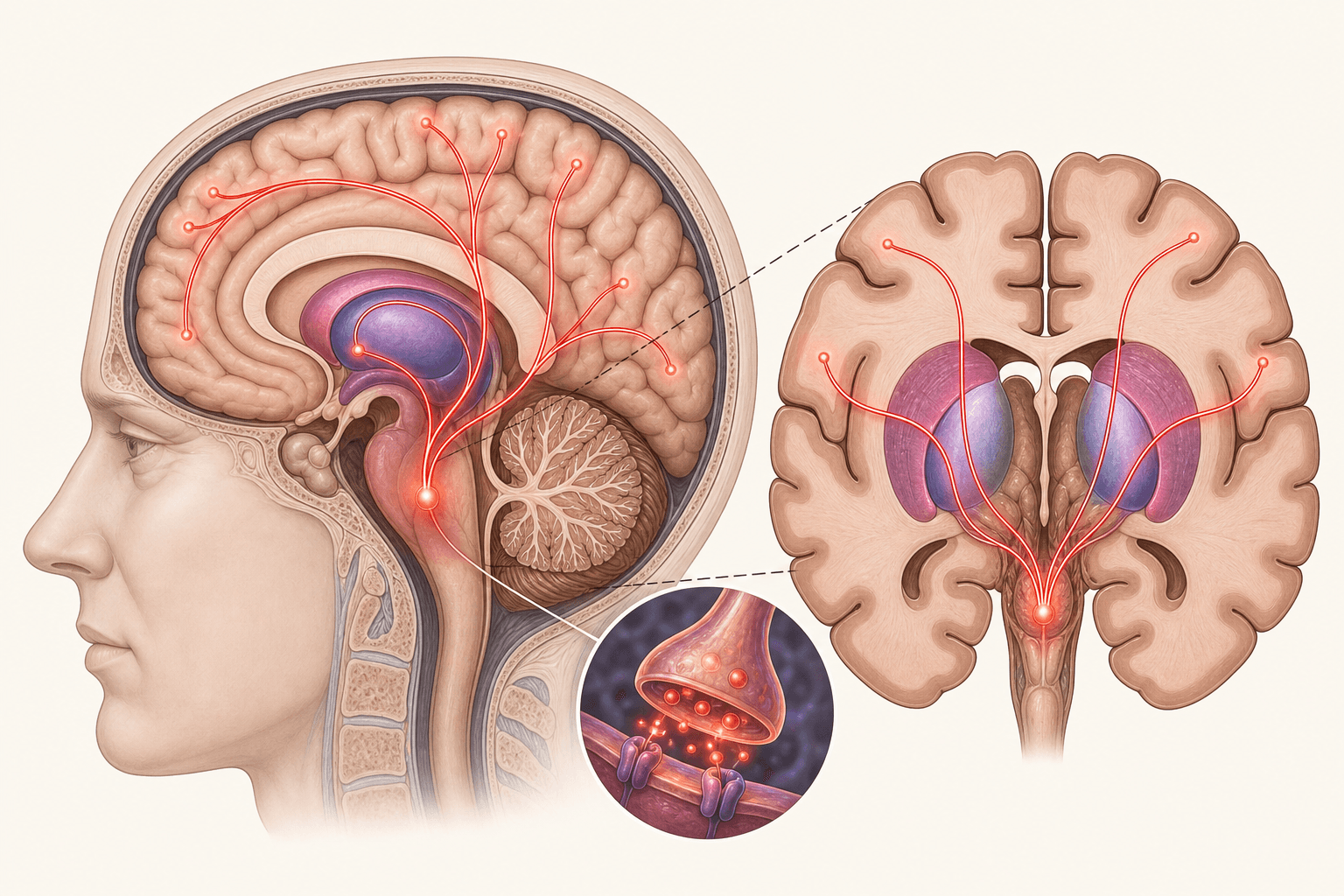
Parkinson's Disease is caused by a degeneration of the basal ganglia and a dopamine deficiency. The basal ganglia is a part of the brain that is linked to the thalamus and associated with coordination and movement. Dopamine is a natural chemical in the brain that's involved with many different brain functions.
What causes the degradation of the basal ganglia and dopamine deficiencies isn't precisely known. Researchers believe genes, certain toxins, and Lewy bodies, which are specific substances that sometimes appear in the brain, may all play a role.
What Symptoms Does Parkinson's Disease Cause?
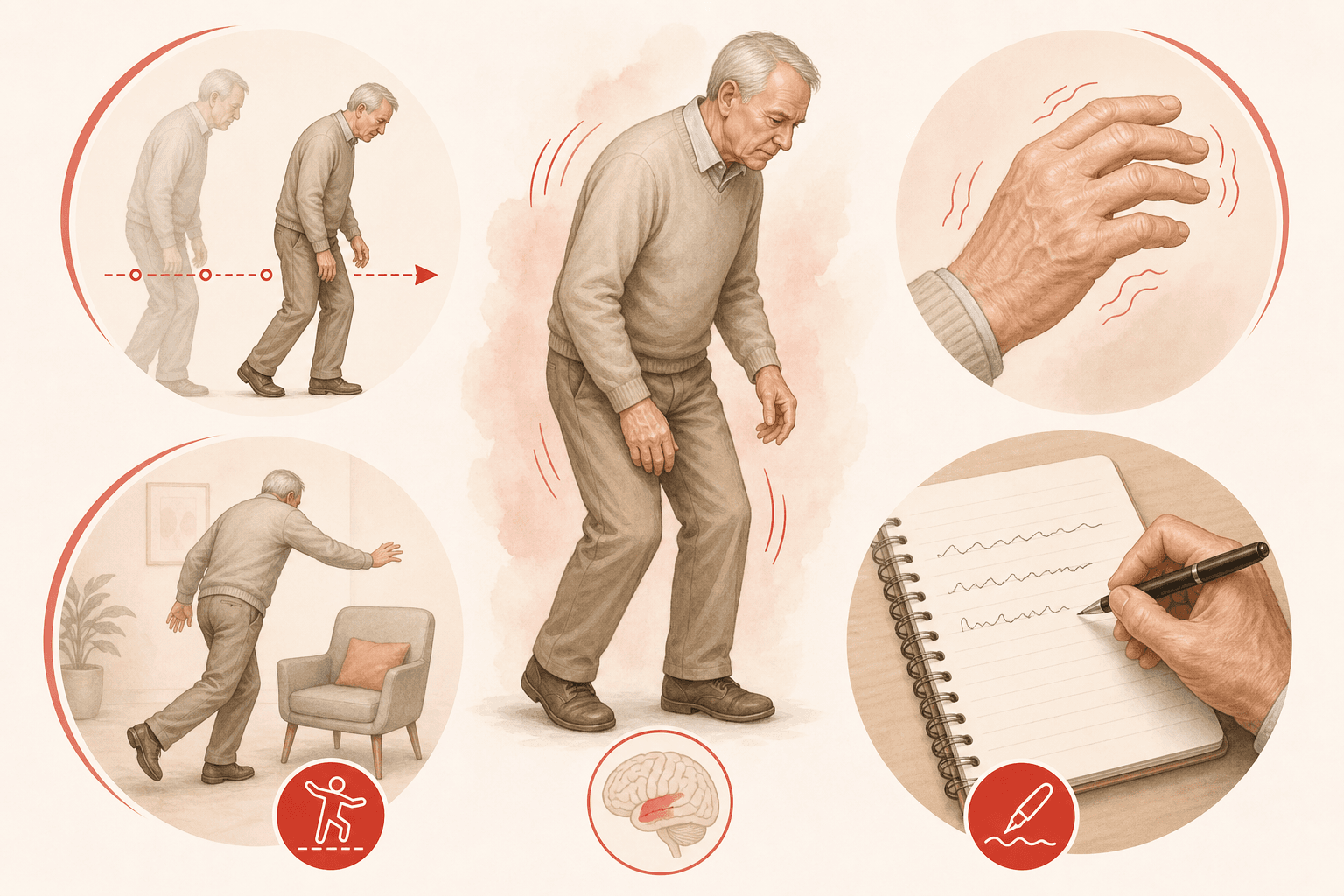
As people with Parkinson's Disease lose muscle control, they may exhibit a number of different symptoms. A few include:
- Slowing movement
- Tremors
- Speaking challenges
- Changing handwriting
- Difficulty balancing
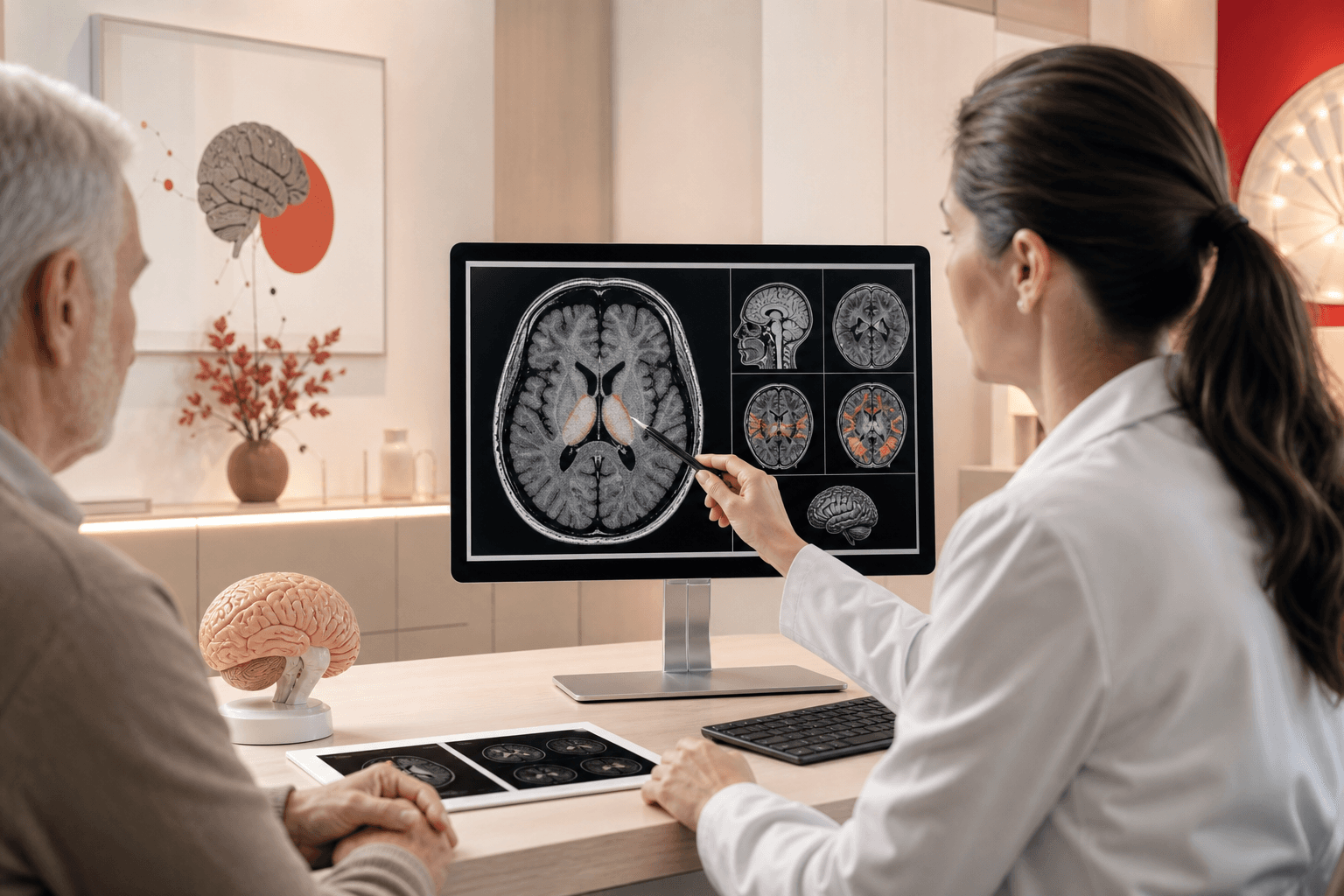
How is Parkinson's Disease Diagnosed?
Parkinson's Disease is typically diagnosed by a neurologist, which is a medical doctor who specializes in neurological disorders. There isn't a specific test that neurologists can use to confirm whether a patient has Parkinson's disease, so they rely on multiple sources of information. A neurologist will ask about a patient's symptoms, perform an exam, and possibly order tests when diagnosing a patient. The tests they might order include MRIs, ultrasounds of the brain, and PET and SPECT scans.

How is Parkinson's Disease Treated?
Most cases of Parkinson's Disease are treated with medication. The list of possible medications includes carbidopa-levodopa, carbidopa-levodopa infusion, dopamine agonists, MAO-B inhibitors, COMT inhibitors, anticholinergics, and amantadine. In severe cases, surgery may be required. Medication is always the first choice, however, and it's almost always effective. Surgery is only rarely called for.
Insurance
Please call our office if you have any questions about your insurance.

















Expert Parkinson's Disease Care in Tampa
Dr. Anoop K. Reddy provides comprehensive evaluation, personalized treatment plans, and management for patients with Parkinson's disease and related movement disorders.
← Back to All Services