
Cervical Dystonia
Expert diagnosis and treatment of cervical dystonia, including Botox® therapy to help manage involuntary neck muscle spasms and pain.
Cervical Dystonia Q & A
Understanding cervical dystonia helps patients recognize symptoms early and explore effective treatment options with their neurologist.
What is Cervical Dystonia?
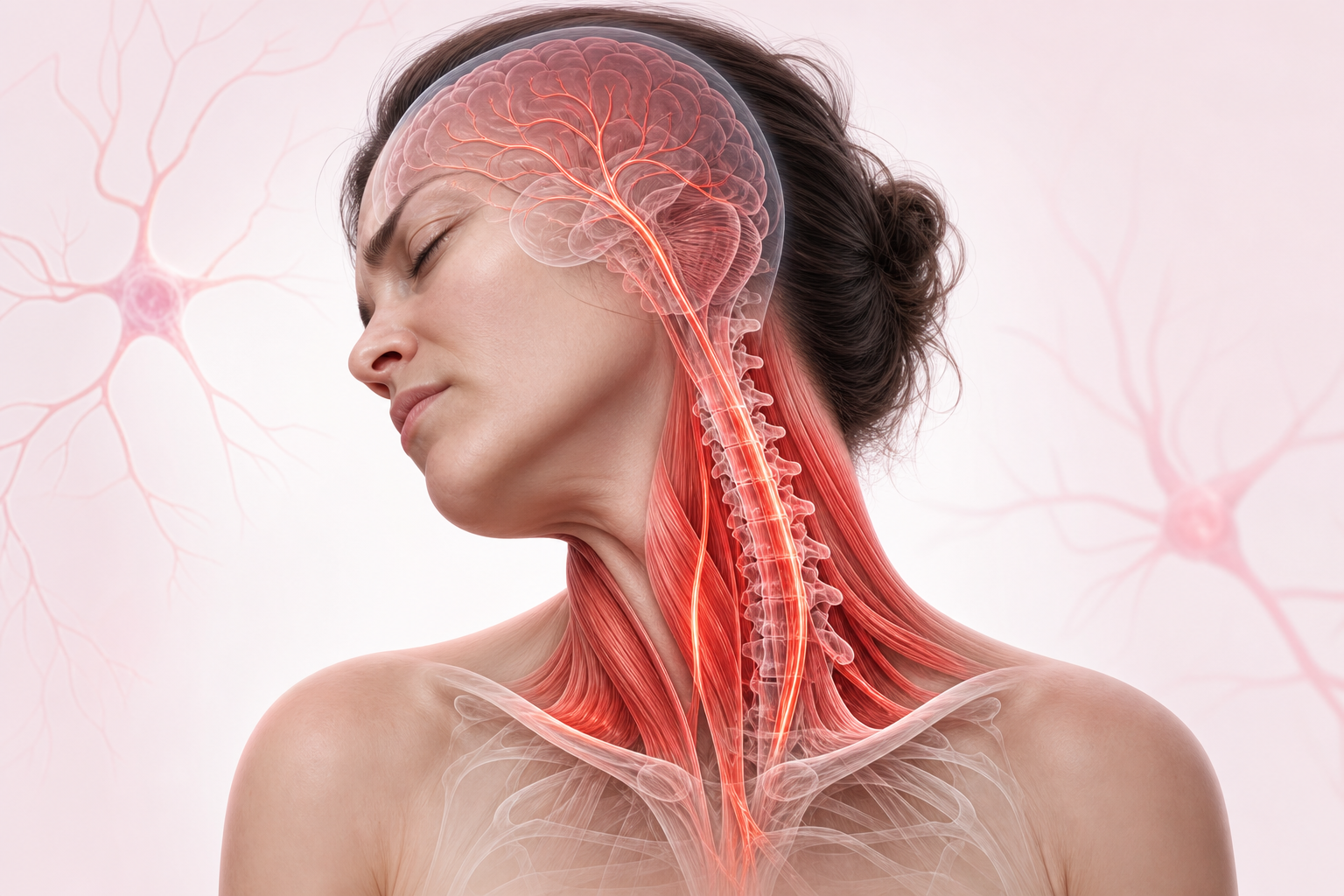
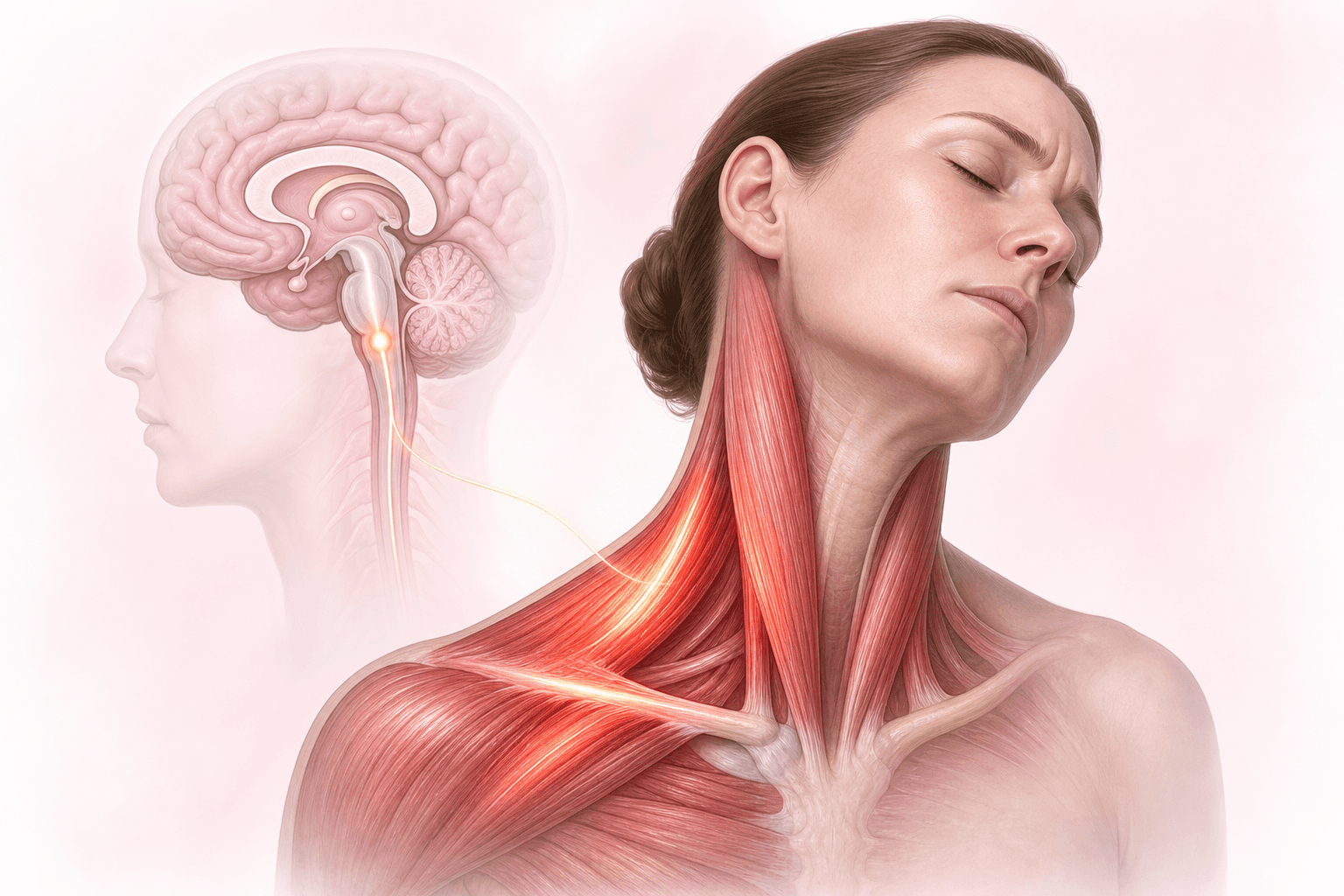
Cervical dystonia is sometimes called spasmodic torticollis. It's a condition in which the neck muscles involuntarily contract. The muscles' contractions cause the head to twist and turn, and they can make the head thrust forward and tilt backward uncontrollably. The condition is often painful.

What Symptoms Does Cervical Dystonia Cause?
Neck muscle spasms that turn and tilt the head uncontrollably only occur in severe cases of cervical dystonia. Early on, when the condition is mild or moderate, patients might experience discomfort or stiffness in the neck.

What Causes Cervical Dystonia?
In most cases, an exact cause of cervical dystonia can't be identified. Sometimes, it may be linked to shoulder, neck, or head injuries, or to certain antipsychotic and anti-nausea medications. If a medication is causing the condition, switching to a different medication might resolve the cervical dystonia.
How is Cervical Dystonia Diagnosed?
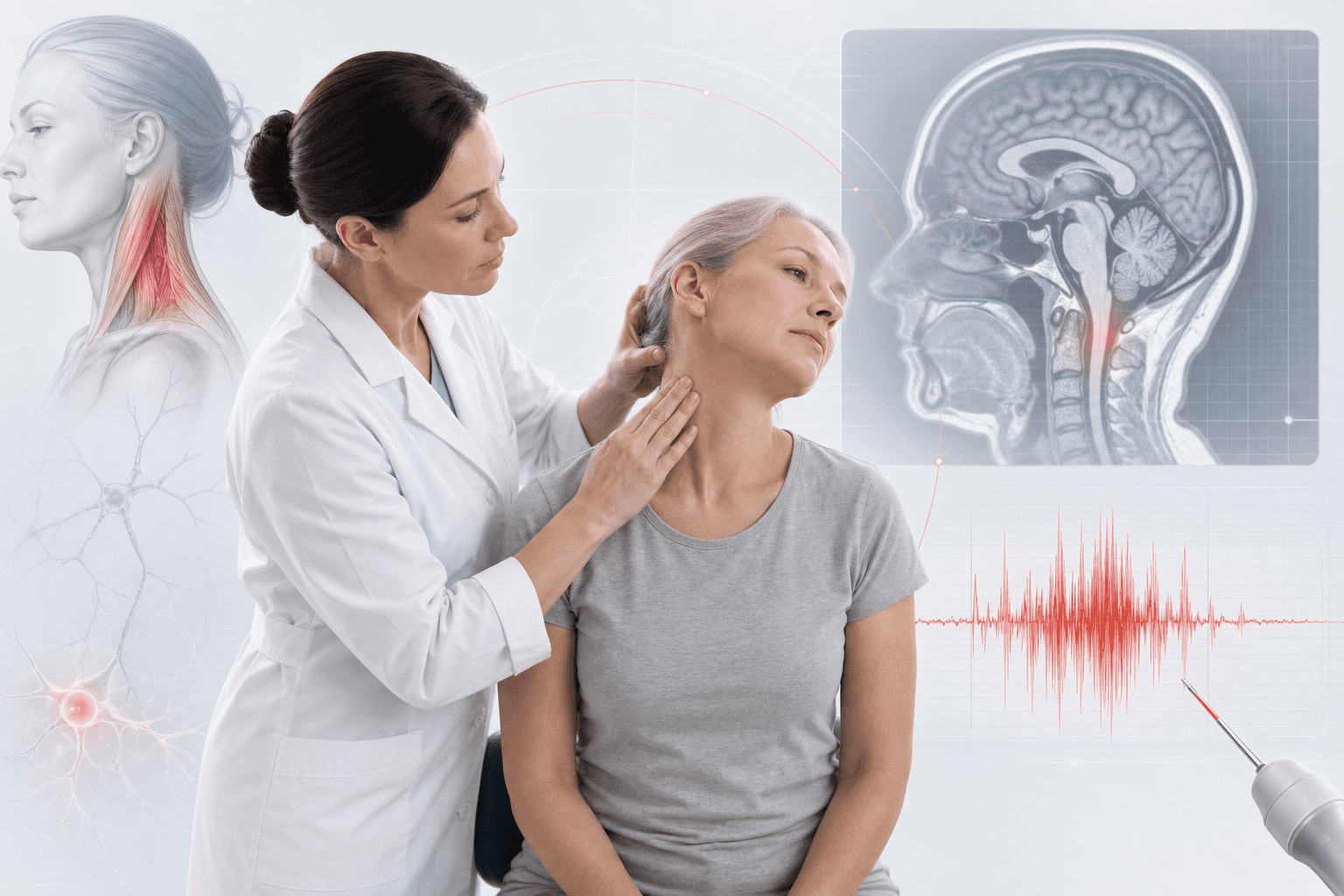
Cervical dystonia is primarily diagnosed based on a patient's signs and symptoms. A qualified medical doctor makes the diagnosis during an in-person examination. Once diagnosed, a physician might order blood or urine tests, an MRI, or an EMG. These tests, however, are meant to look for underlying medical issues related to the condition and not specifically to determine whether someone is suffering from cervical dystonia.

How is Cervical Dystonia Treated?
Unless it's caused by a known medication, there isn't a cure for cervical dystonia, although the condition sometimes resolves itself on its own. Doctors are able to help patients manage the muscle spasms, minimizing the jerking and pain that they experience, with Botox® injections.
Insurance
Please call our office if you have any questions about your insurance.

















Expert Cervical Dystonia Care in Tampa
Dr. Anoop K. Reddy provides comprehensive evaluation and Botox® therapy for patients with cervical dystonia and related movement disorders.
← Back to All Services