
Alzheimer's Disease
Evaluation, diagnosis, treatment planning, and long-term management for patients experiencing memory disorders and dementia.
Alzheimer's Disease Q & A
Understanding Alzheimer's disease helps patients and families recognize symptoms early and explore treatment options with their neurologist.
What is Alzheimer's Disease?
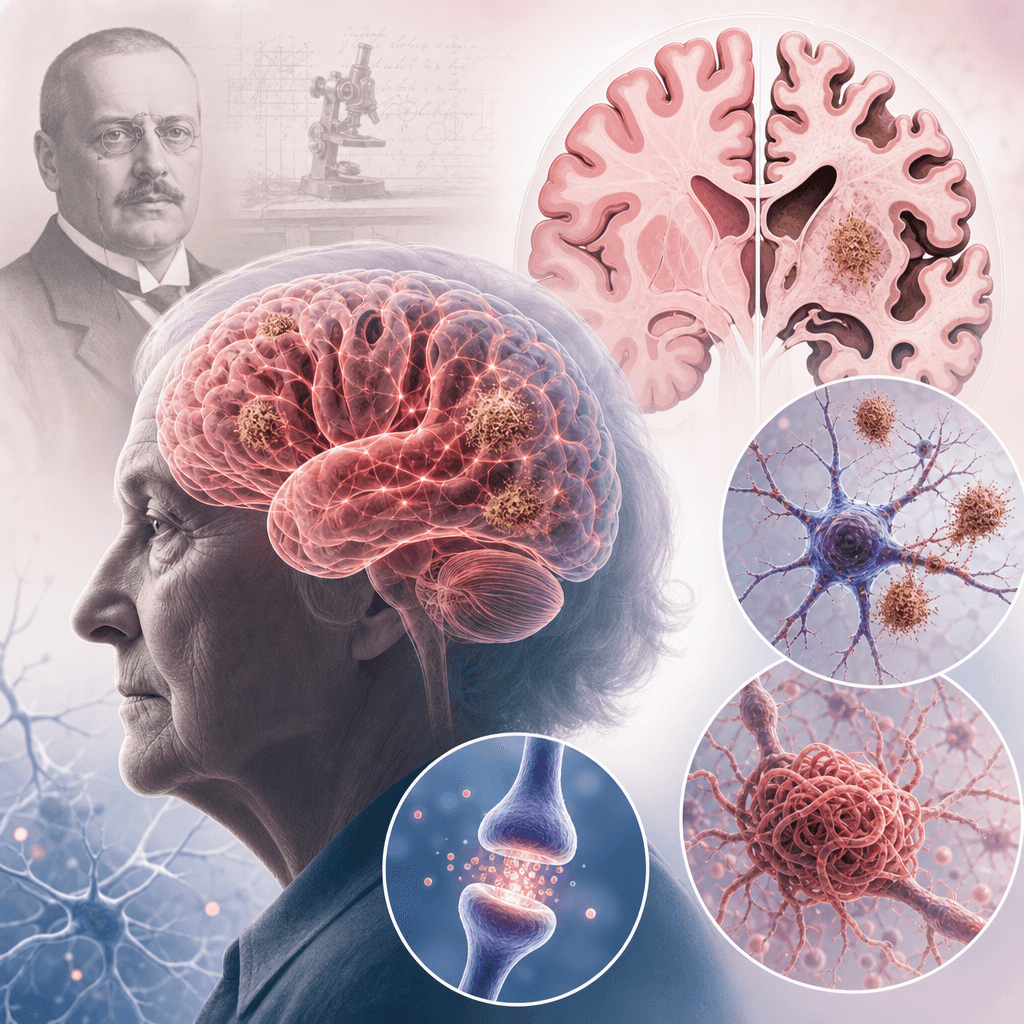
Alzheimer's Disease, which is sometimes just called Alzheimer's, is a progressive disease that adversely affects a person's mental function. People with Alzheimer's Disease suffer from increasing memory loss and gradually lose the ability to perform even basic tasks as the disease worsens. It's the most common cause of dementia.
The term "Alzheimer's Disease" is a tribute to Dr. Alois Alzheimer. Dr. Alzheimer discovered that the brain tissue of a patient who had died from an unusual form of mental illness was abnormal. The patient had exhibited language difficulties, memory loss, and irrational behaviors.

What Symptoms Does Alzheimer's Disease Cause?
People with Alzheimer's Disease suffer from changes in the brain that make many mental functions difficult. Most notably, patients have trouble recalling memories, especially recent ones. People who suffer from memory loss might:
These aren't the only symptoms Alzheimer's Disease causes, though. The changes in the brain can also lead to difficulty concentrating and thinking on abstract concepts, multitasking, and planning normal tasks and activities.
Finally, patients might experience mood changes, including depression and apathy. Changes in mood can be brought about by the changes in the brain, and they can be exacerbated by a person's declining mental function.
- Repeat questions or statements multiple times as though they haven't had a conversation previously
- Regularly misplace items and put items in unusual places
- Get lost in places they were once familiar with
- Have difficulty finding the right words to express themselves
- Forget the names of everyday objects and people they know

How is Alzheimer's Disease Treated?
There isn't a known cure for Alzheimer's Disease. Doctors, however, are able to help patients manage the condition and minimize the symptoms it causes. They can prescribe cholinesterase inhibitors and memantine, which are two medications that improve brain function. Doctors can also help patients create a supportive and safe environment for themselves and make lifestyle changes that will help.
Insurance
Please call our office if you have any questions about your insurance.

















Expert Alzheimer's Disease Care in Tampa
Dr. Anoop K. Reddy provides comprehensive evaluation, personalized treatment plans, and management for patients with Alzheimer's disease and related memory disorders.
← Back to All Services