
Epilepsy
Comprehensive seizure evaluation, diagnosis, medication management, and long-term epilepsy care.
Epilepsy Q & A
Understanding epilepsy and seizures helps patients recognize symptoms, pursue an accurate diagnosis, and explore effective treatment options with a qualified neurologist.
What is Epilepsy?
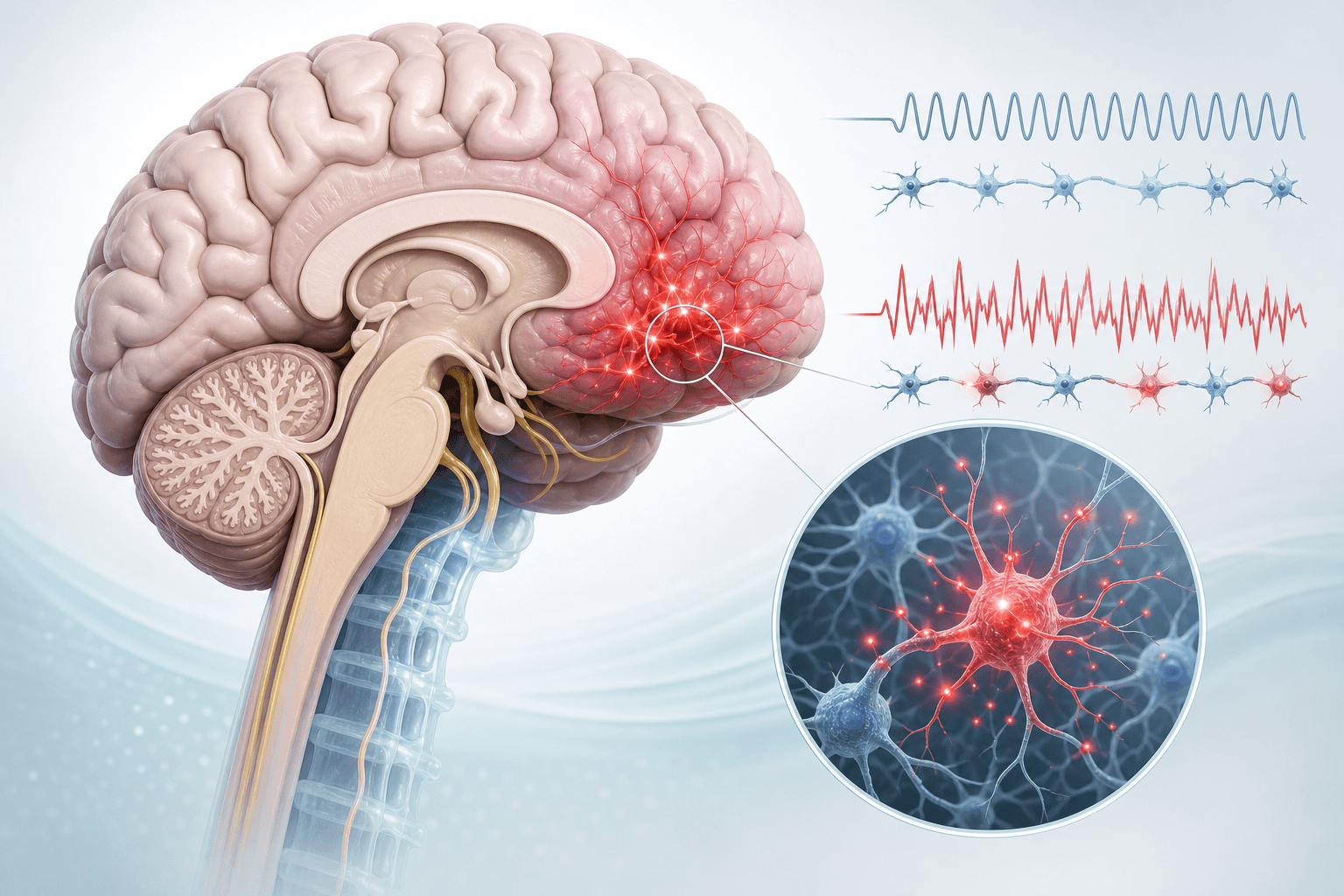
Epilepsy is a disorder of the central nervous system that interrupts brain activity. Disruptions in normal brain cell activity cause seizures, as well as unusual behaviors, strange sensations, and unconsciousness.
What Are Seizures?
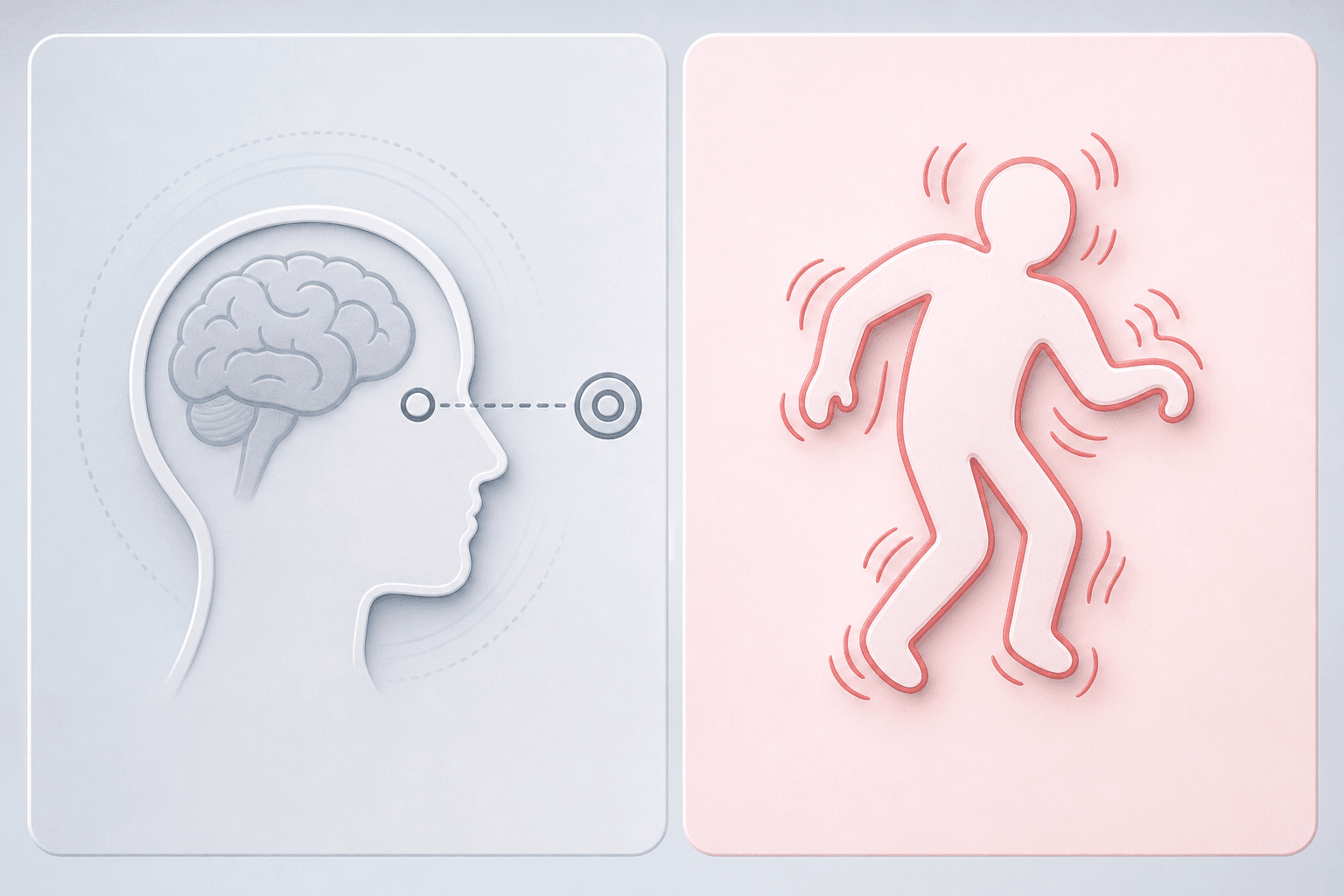
The symptoms of a seizure can vary widely. Sometimes people simply stare blankly, while other times their bodies shake uncontrollably. All seizures can be dangerous, though, because people lose the ability to control at least some of their muscles. Losing muscle control can lead to falls, auto collisions if a person is driving, and other kinds of accidents.
How is Epilepsy Diagnosed?
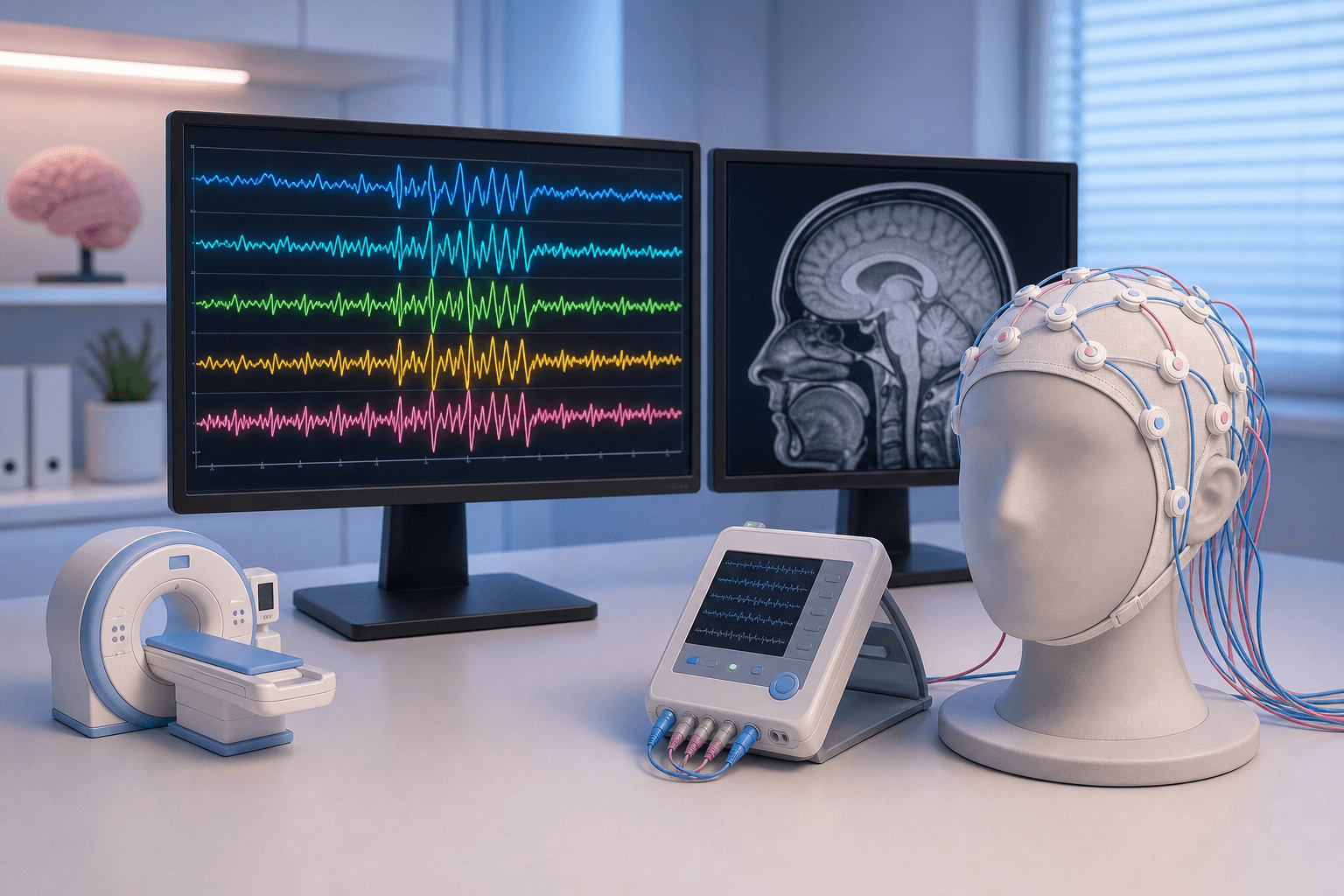
Neurologists take many considerations into account when making an epilepsy diagnosis. They rely on a patient's and witnesses' stories of seizure episodes, a neurological examination, and medical tests. Some of the tests a neurologist might order before officially making a diagnosis include a(n):
- Electroencephalogram (EEG)
- Ambulatory EEG
- Computerized Tomography (CT) scan
- Magnetic Resonance Imaging (MRI) test
- Functional MRI test

How is Epilepsy Treated?
Epilepsy is treated in a number of different ways, depending on a patient's specific symptoms and other medical conditions. In most cases, neurologists recommend an anti-seizure medication, of which there are several. In severe cases, surgery may be necessary. A few cases may be resolved on their own, by a specific diet, or with vagus nerve stimulation.
What Should Patients Look for When Choosing a Neurologist?
When selecting a doctor, patients should look for a licensed and board-certified neurologist who specializes in epilepsy. Because surgery is always a last resort, it's not necessary to go to a neurologist who performs surgery. Any neurologist who specializes in epilepsy can recommend medications to try first, and these medications are usually effective.
If medications aren't effective, then a neurologist may provide a referral to a neurological surgeon if they don't perform surgery. Surgery is rarely required, though.
Insurance
Please call our office if you have any questions about your insurance.

















Expert Epilepsy Care in Tampa
Dr. Anoop K. Reddy provides comprehensive seizure evaluation, personalized treatment plans, and long-term epilepsy management for patients in the Tampa Bay area.
← Back to All Services